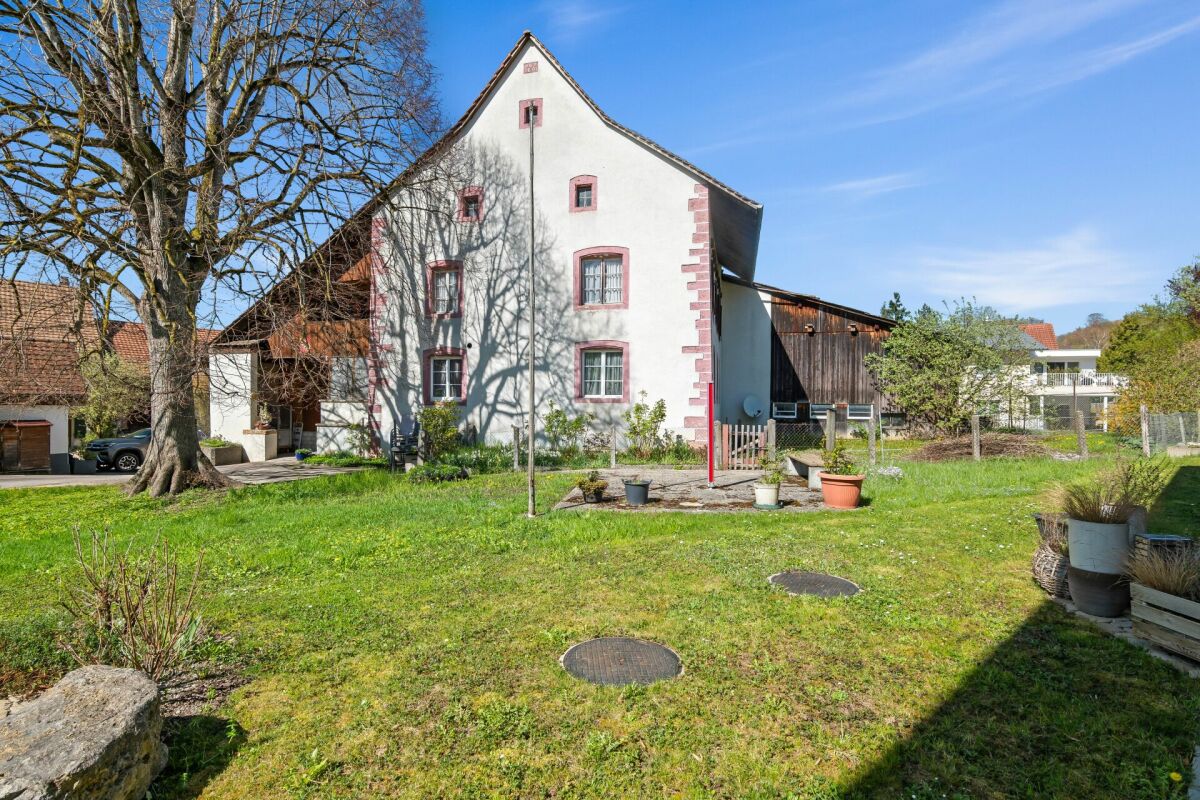
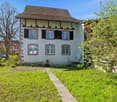
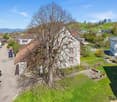
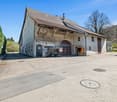
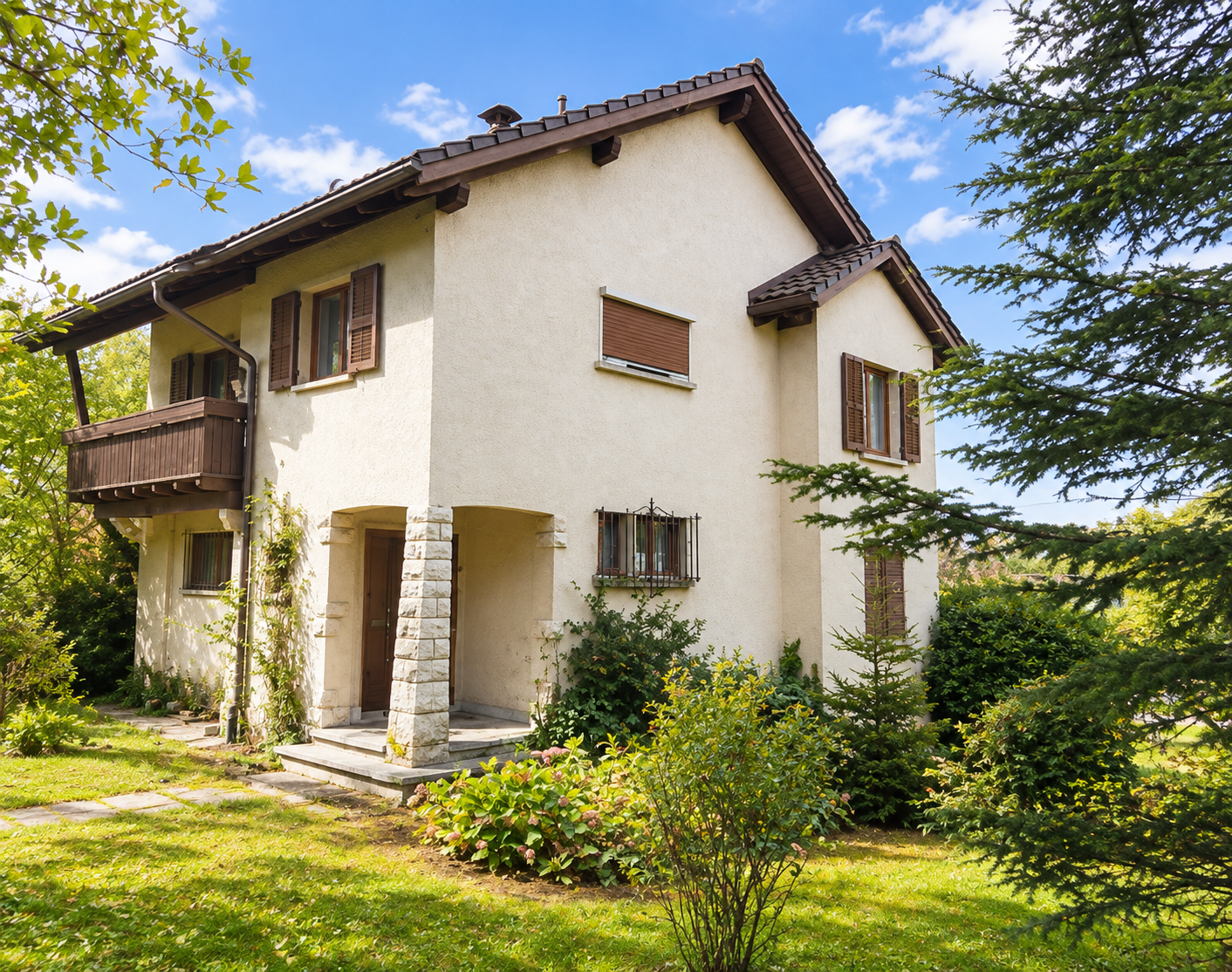
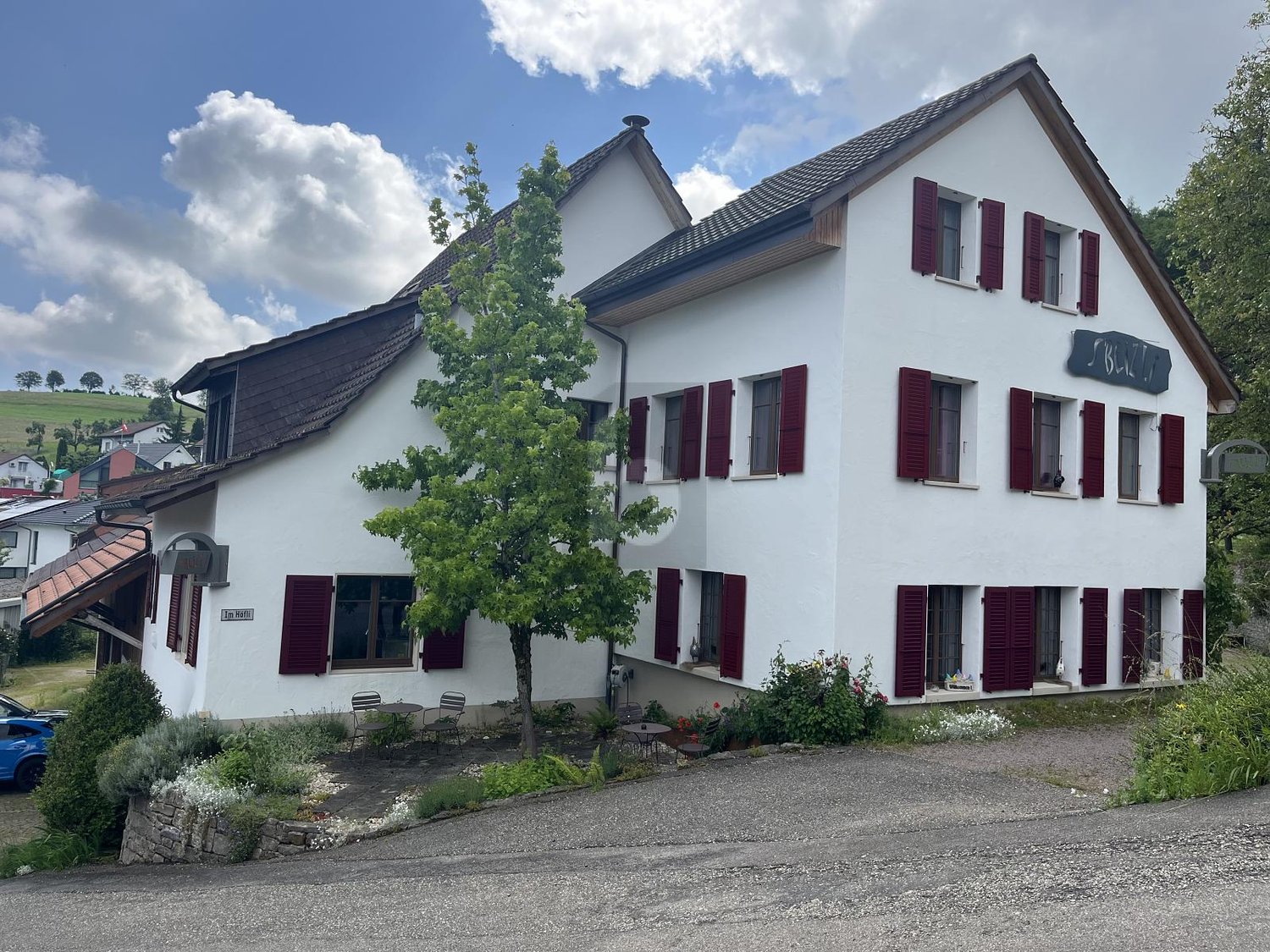
Charming single-family house in Rothenfluh – living with a wide view
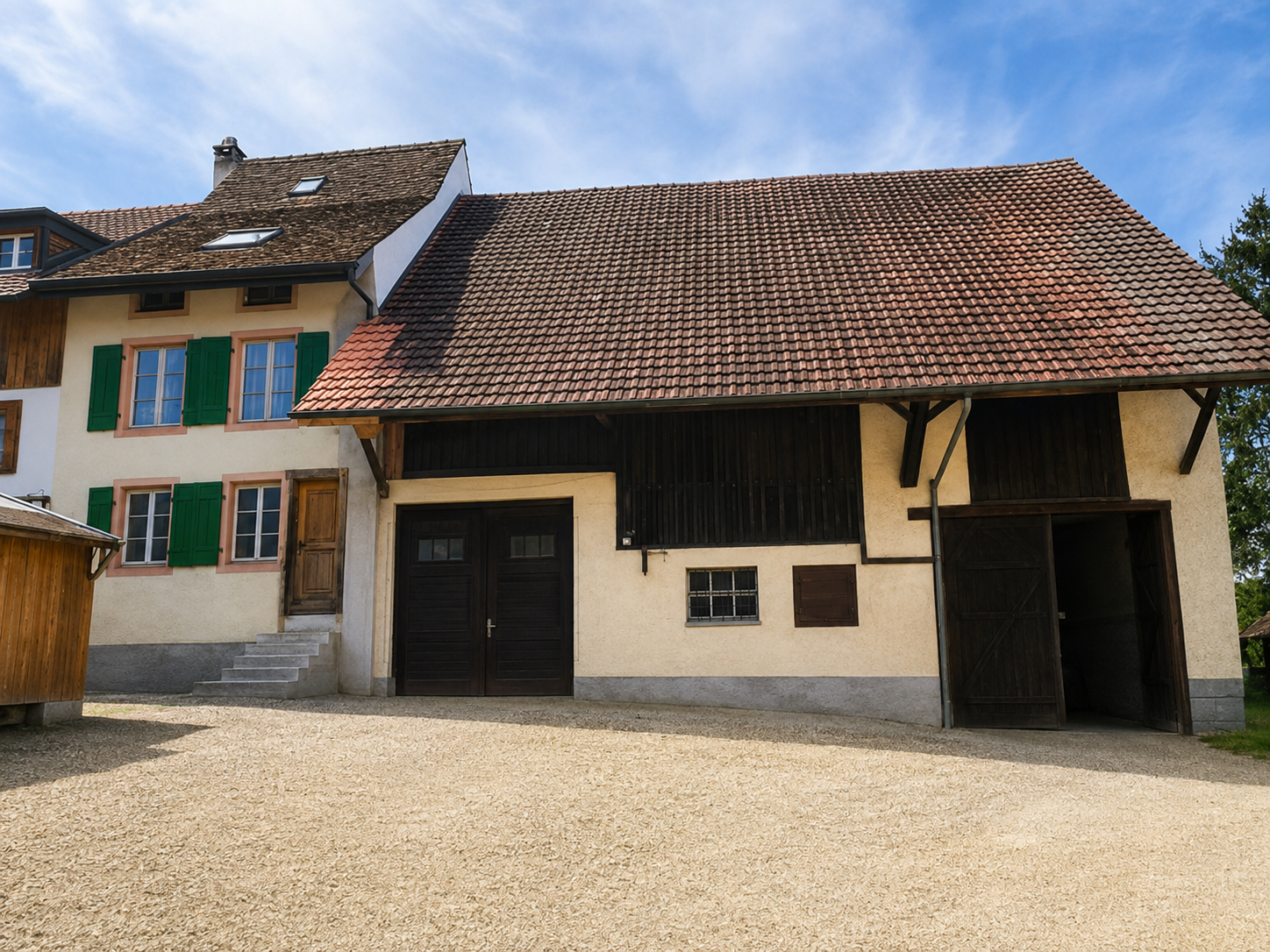
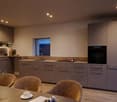
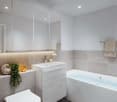
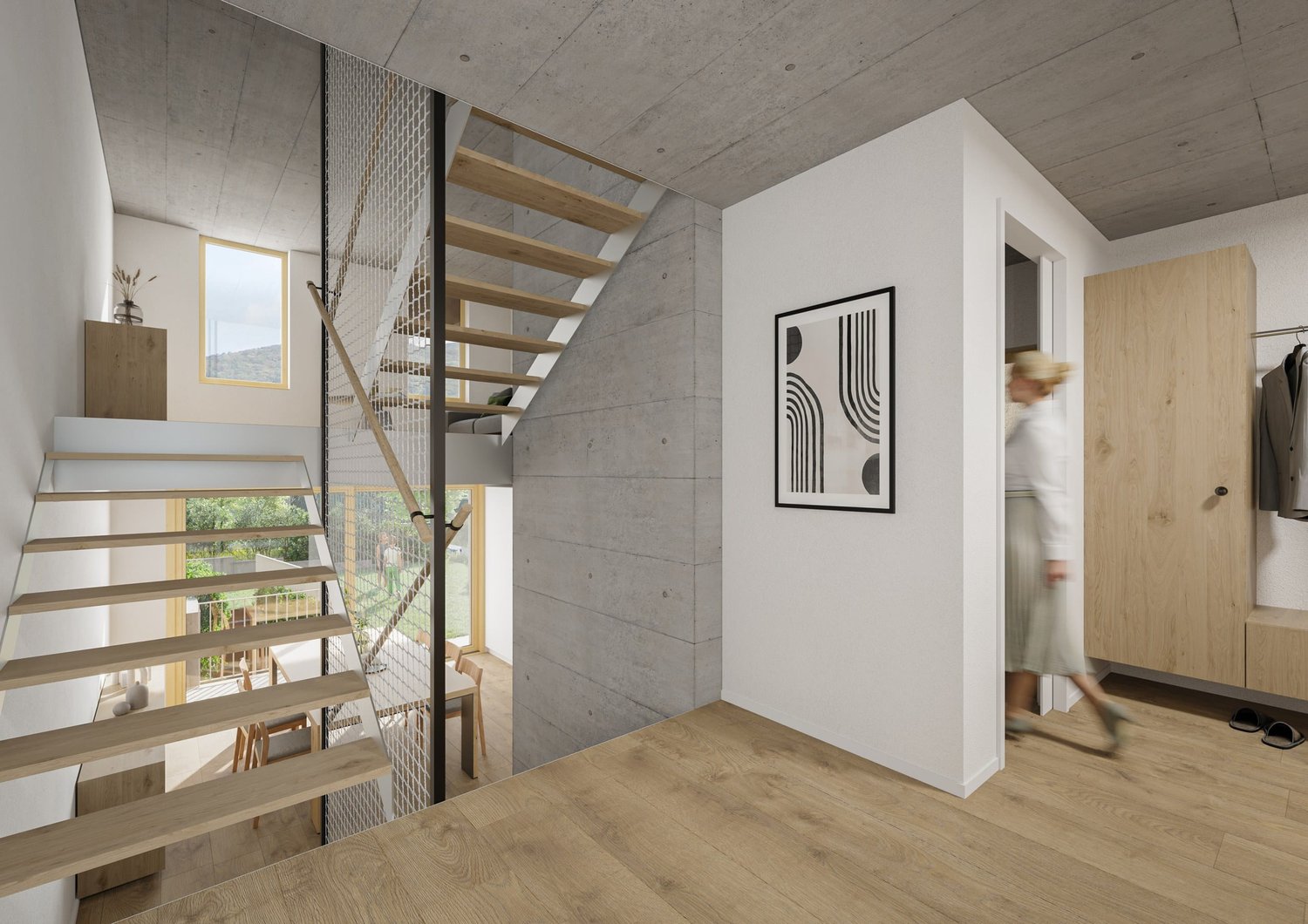
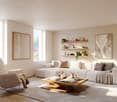
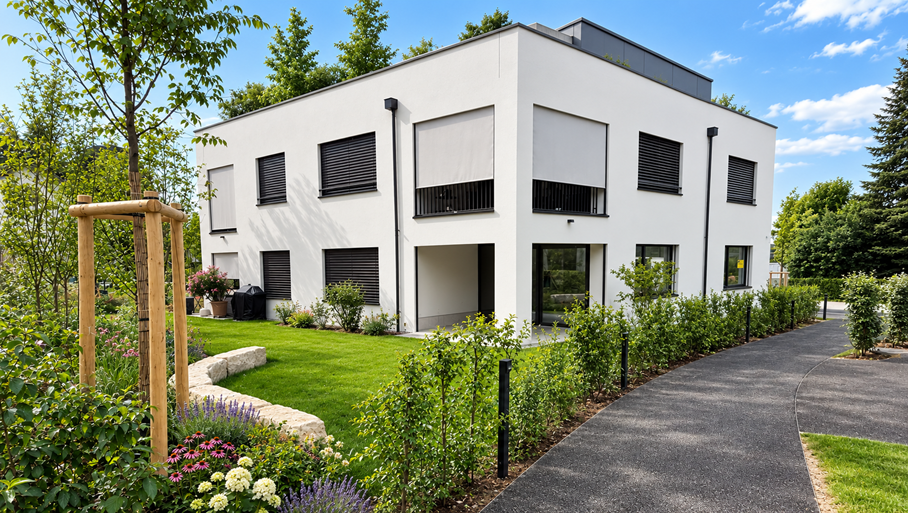
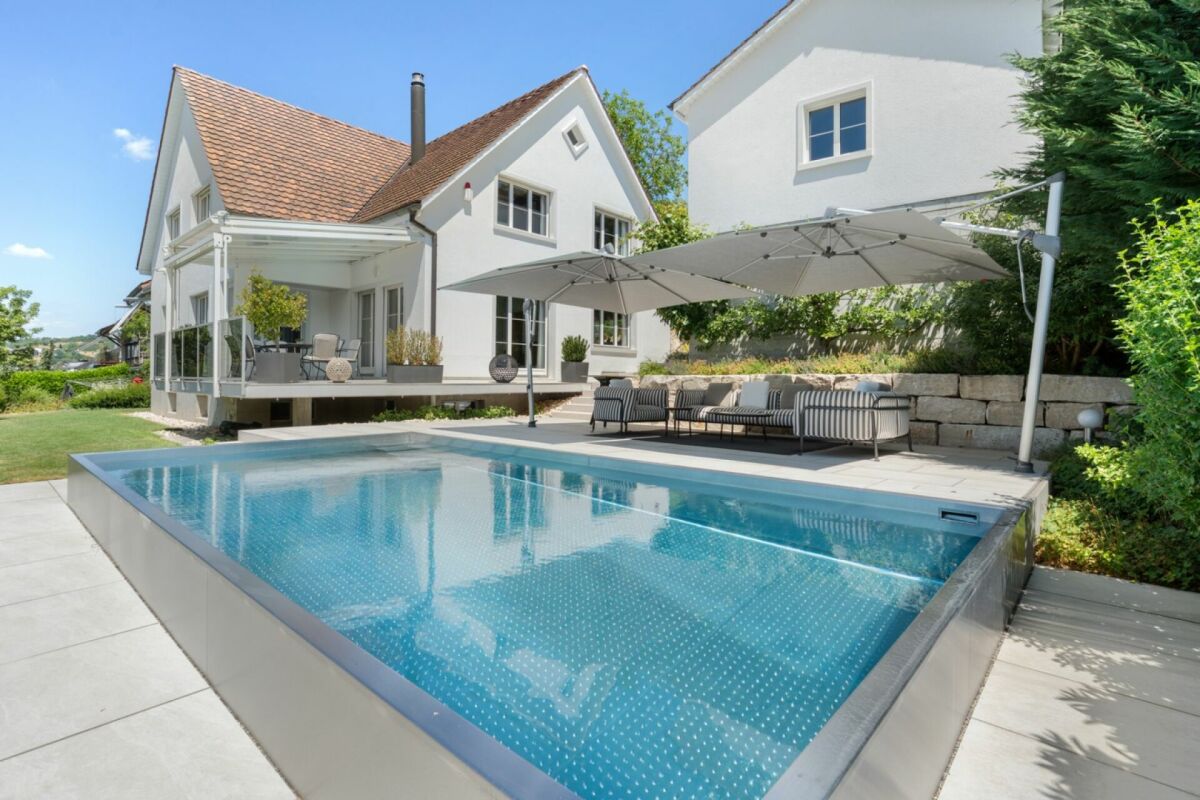
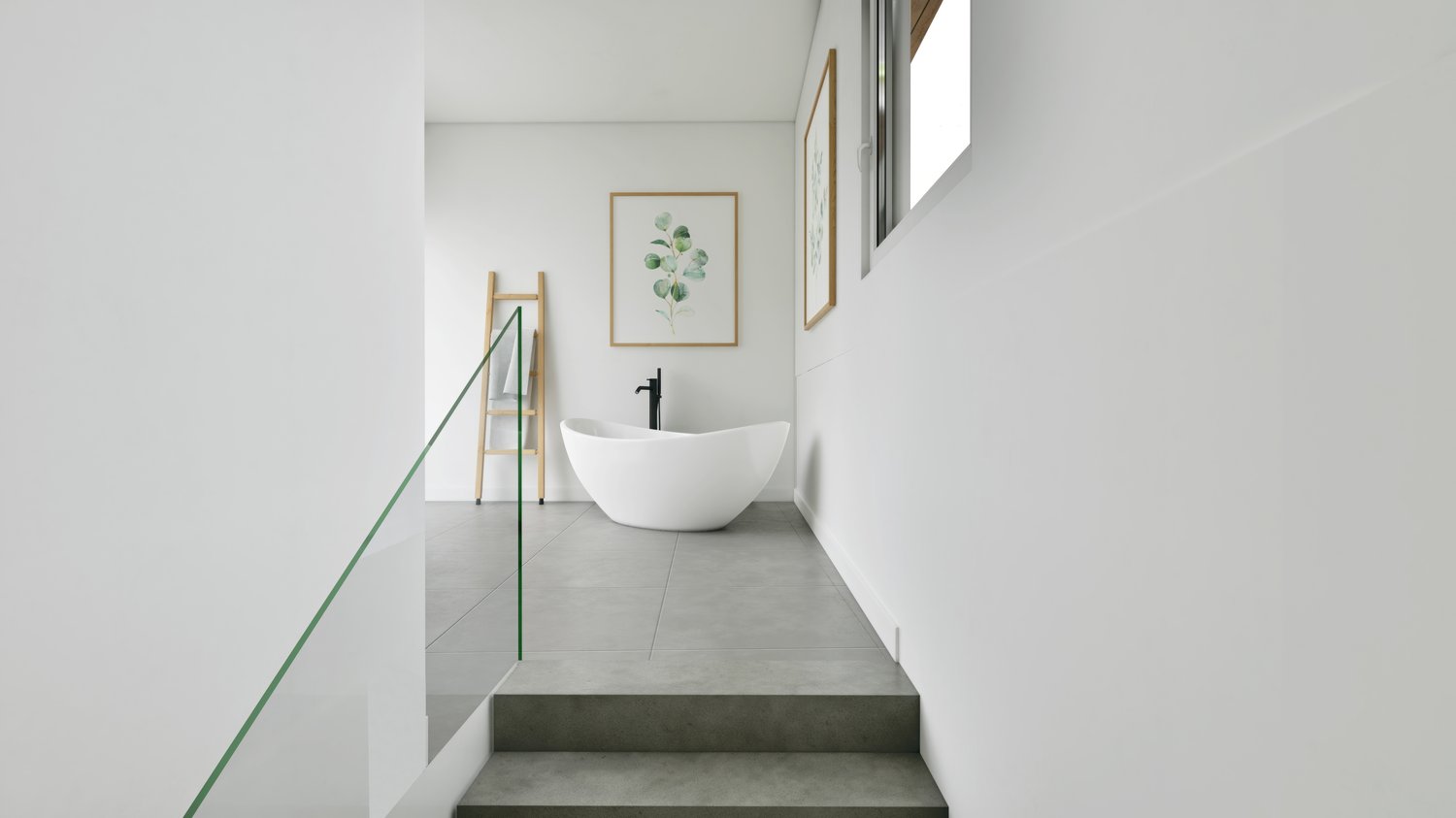
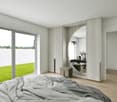
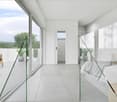
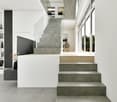
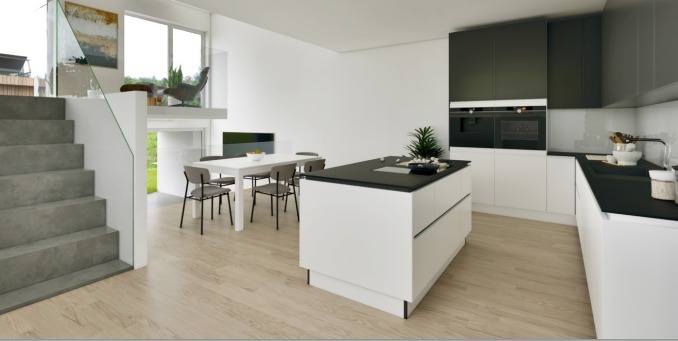
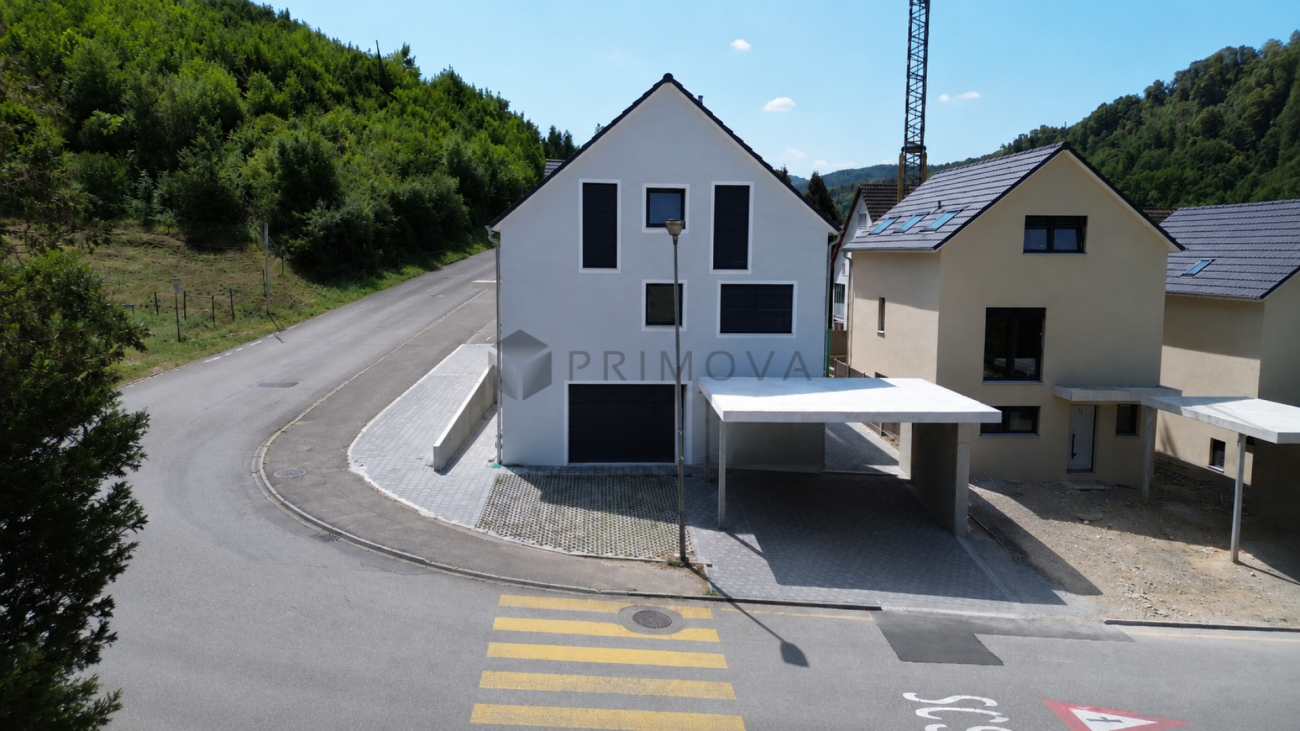
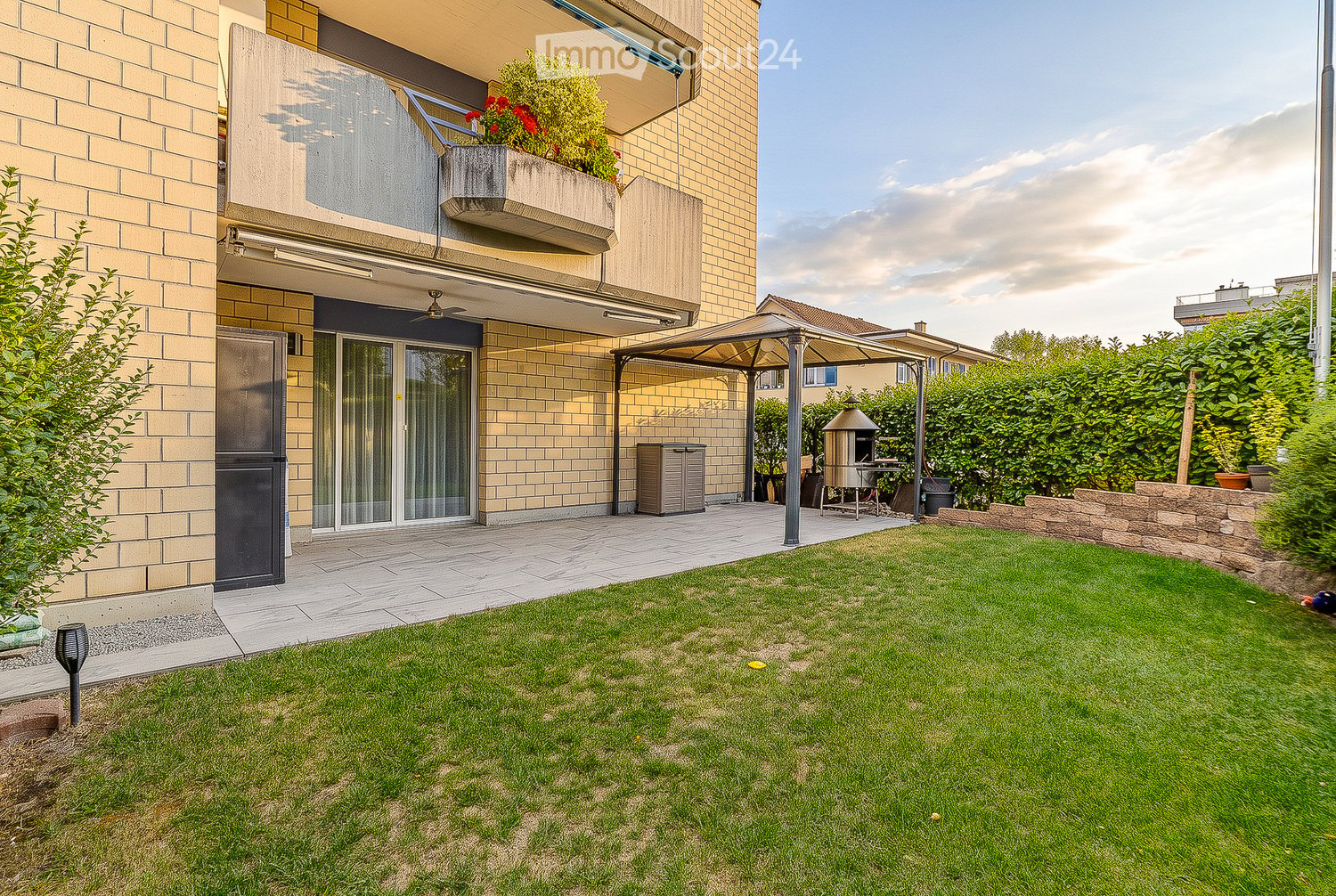
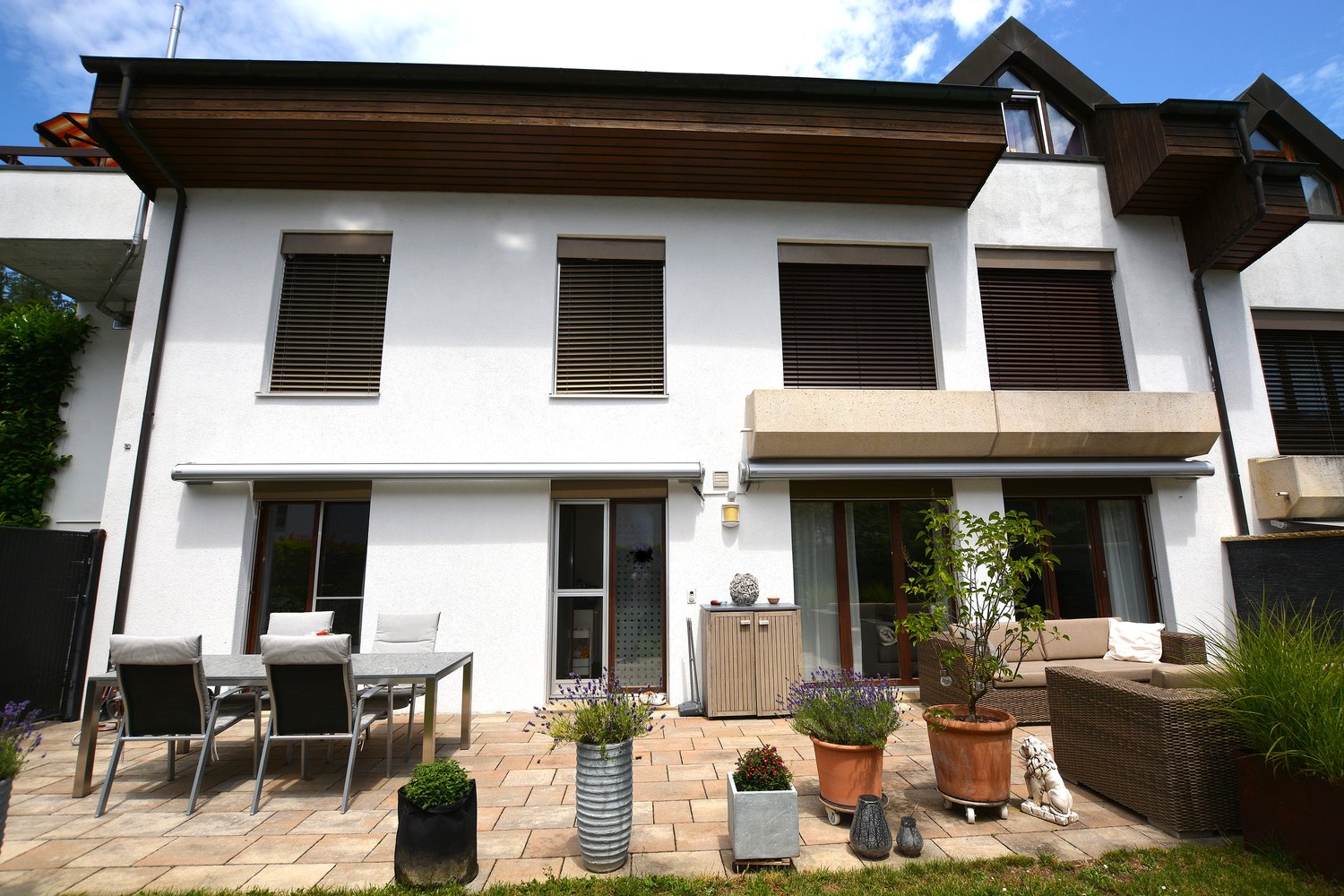
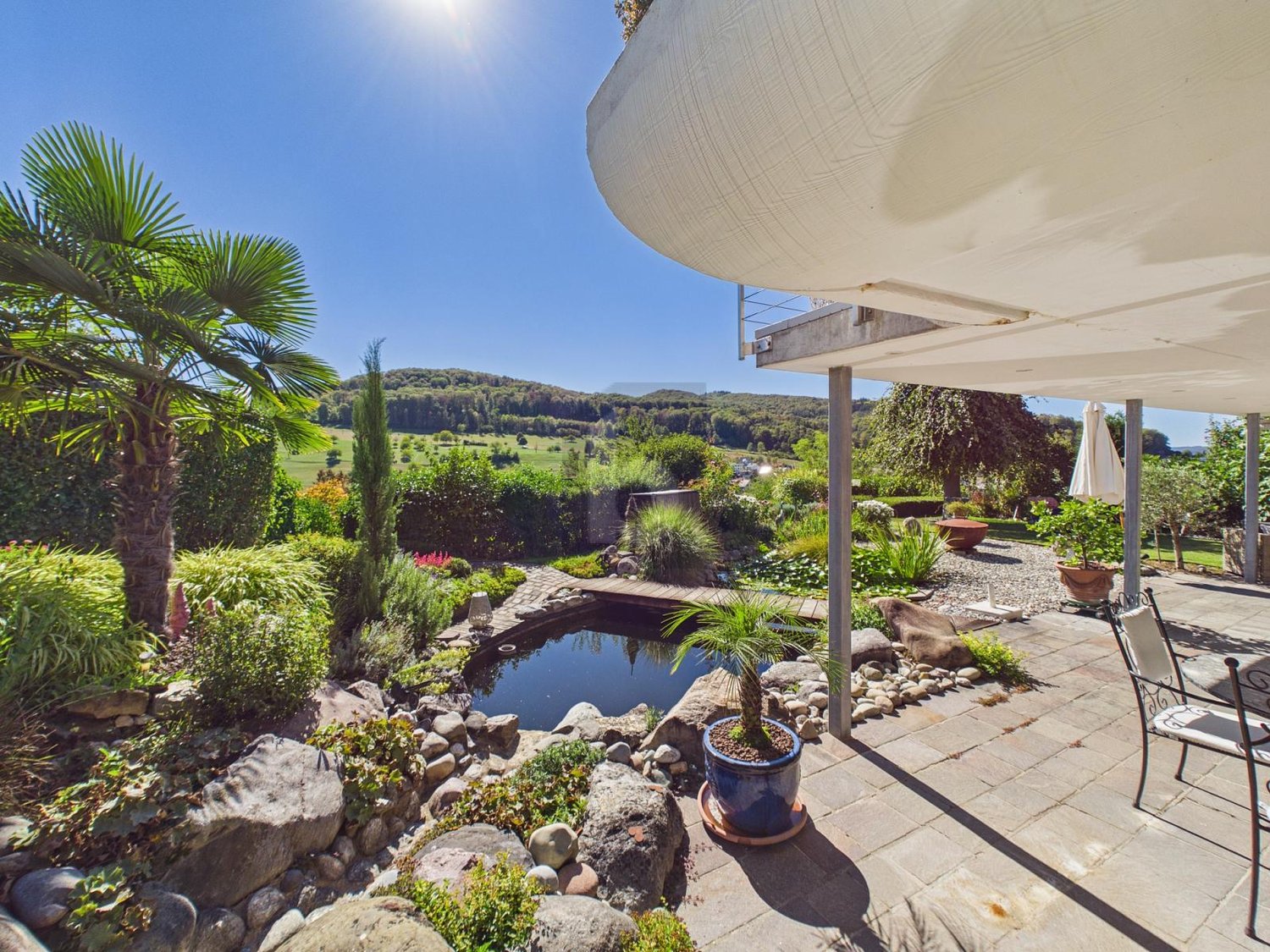
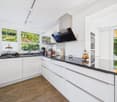
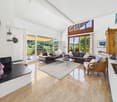
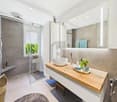
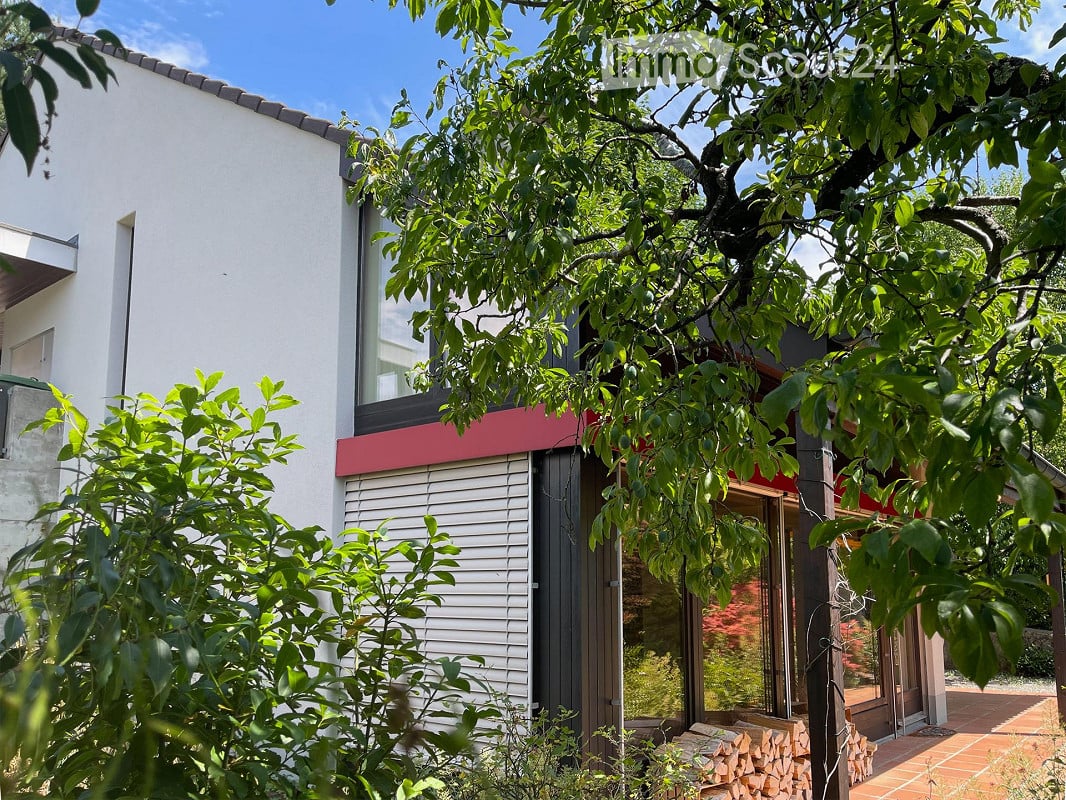
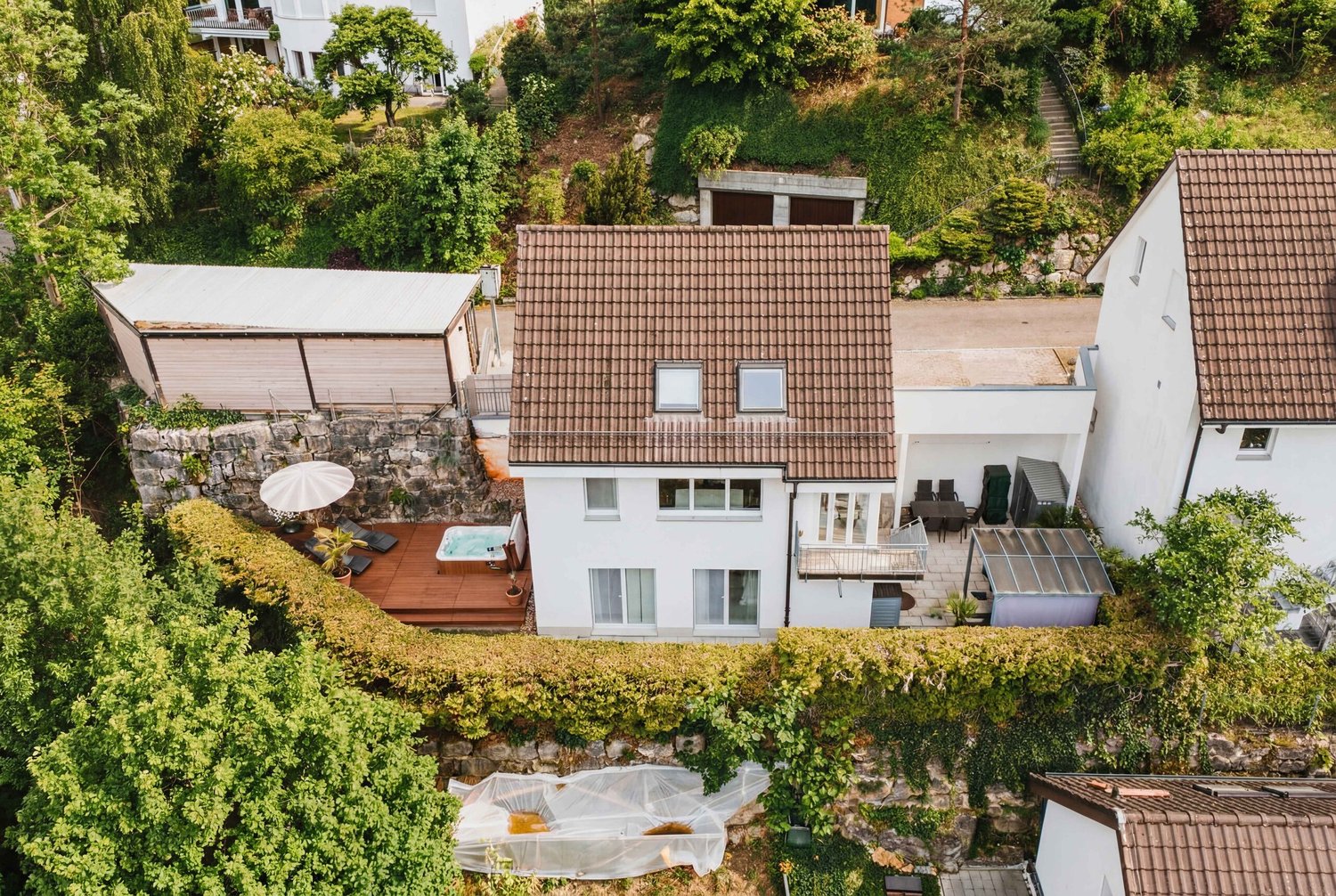
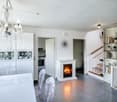
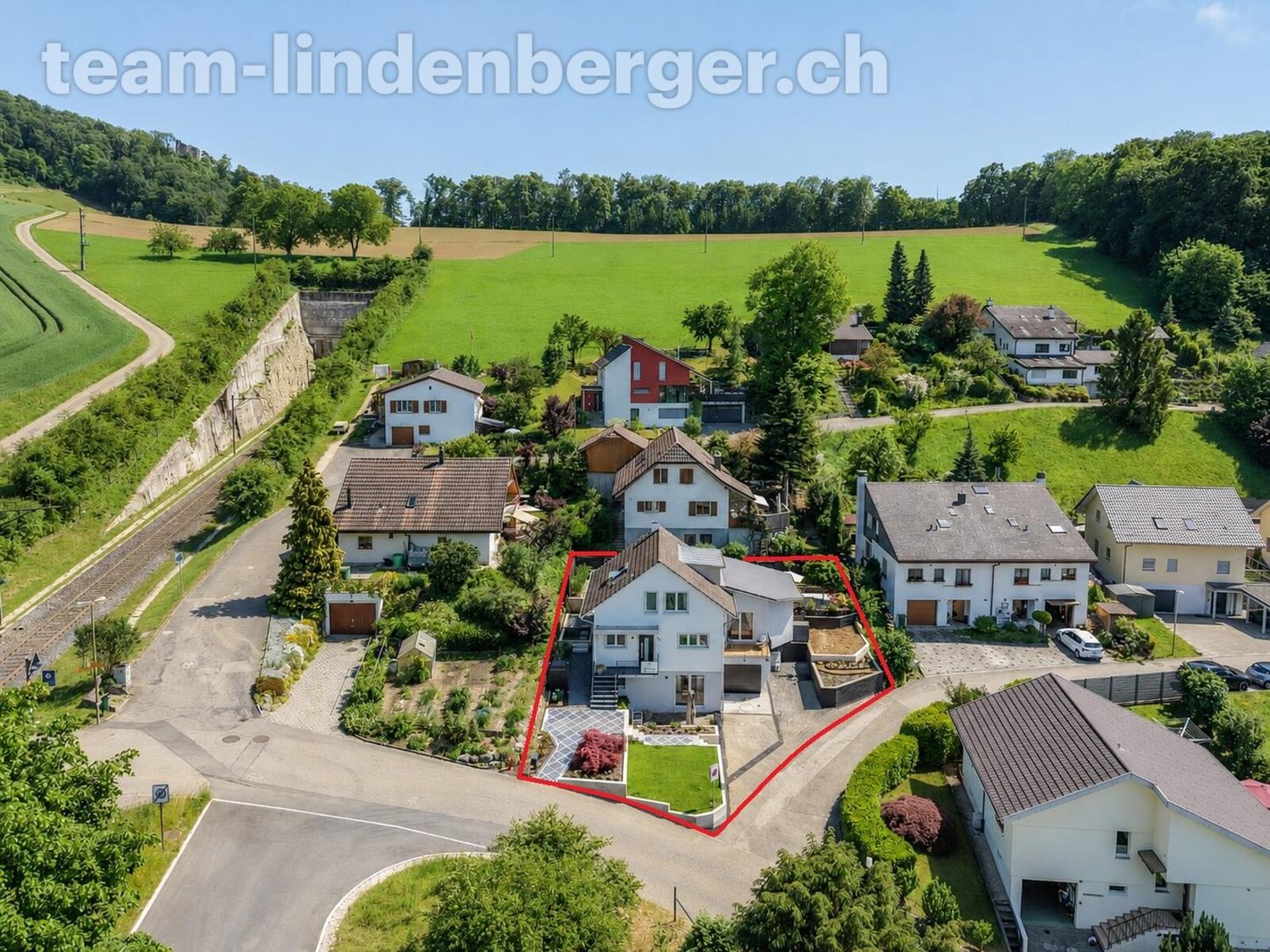
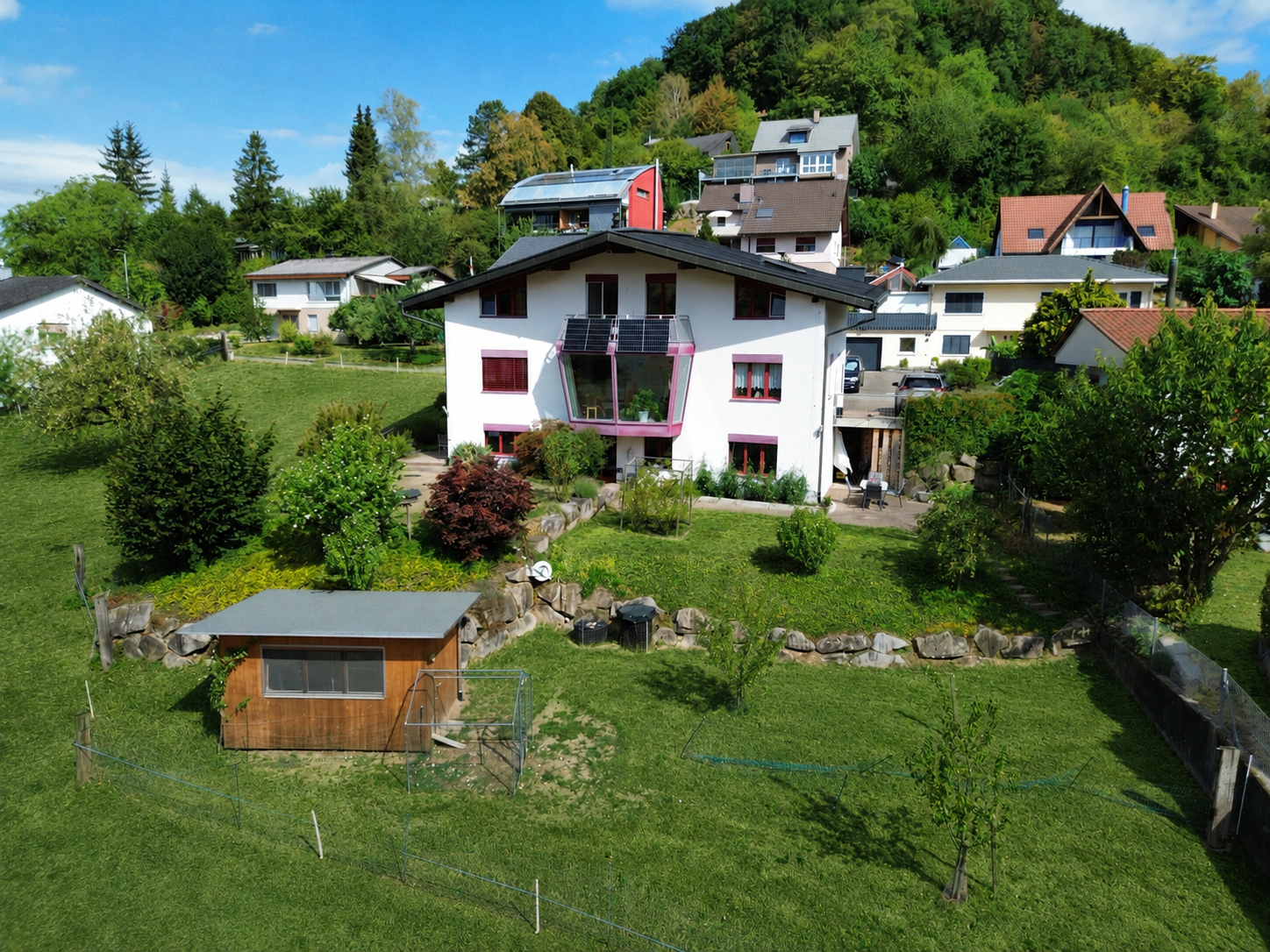
Spacious single-family house with plenty of room for the family This detached single-family house impresses with a spacious living area of around 282 m², spread over three floors and a total of 6.5 rooms. The versatile room layout offers plenty of space for families and opens up numerous possibilities for individual living, working, and designing. In the basement, there is a spacious work and hobby room as well as a drying room, which offer attractive development potential and could be converted into additional living space or an apartment. The work and hobby room has direct access to the garden with a cozy seating area. The range of rooms is complemented by practical secondary rooms such as a laundry room, a technical room, and a cellar and air raid shelter, which offer additional storage space and room. The ground floor forms the central living area of the house. The inviting entrance area leads to the spacious living and dining area, which offers plenty of space for shared hours. The adjacent and spacious kitchen has direct access to a second seating area on the side of the house. Another room, a bathroom with a shower, and a practical bicycle room complete this floor. On the upper floor, there are four more rooms, including one with its own balcony. The rooms can be flexibly used as bedrooms, children's rooms, guest rooms, or offices, and thus offer a variety of possibilities for individual design. The spacious family bathroom provides additional comfort. The well-kept outdoor area around the house offers plenty of space and invites you to linger. The 934 m² large plot of land offers numerous design possibilities and provides families with sufficient space to play, garden, and relax. The beautiful view gives the property a special atmosphere. In front of the house entrance, there is also a spacious forecourt for several vehicles. Room program Basement: • Work and hobby room • Drying room • Laundry room • Technical room • Cellar and air raid shelter Ground floor: • Entrance area • Living and dining area • Kitchen • Room 1 • Bicycle room • Bathroom with shower Upper floor: • Room 2 • Room 3 • Room 4 with balcony • Room 5 • Family bathroom Rothenfluh and surroundings Rothenfluh is located in the idyllic Oberbaselbiet in the canton of Basel-Landschaft and belongs to the district of Sissach. The municipality is characterized by its rural character, the well-kept village structure, and the natural surroundings. Embedded in the gentle hill landscape of the Basel region, Rothenfluh offers a high quality of life and living with plenty of peace and relaxation opportunities. The village is surrounded by extensive meadows, forests, and agriculturally shaped areas. The attractive landscape invites you to take walks, hikes, and bike tours and makes the municipality particularly attractive for nature-loving people and families. At the same time, the grown village image with traditional buildings and a manageable settlement structure provides a pleasant, personal living environment. Rothenfluh has a good connection to the surrounding municipalities and regional centers. Gelterkinden is within a short driving distance and offers a versatile range of shopping facilities, services, schools, and other infrastructure. The city of Basel and the adjacent Aargau are also easily accessible by car. Thanks to the combination of a natural living environment, a village environment, and good accessibility, Rothenfluh offers attractive conditions for people who value peace, quality of life, and a harmonious living environment. Have we sparked your interest? We look forward to your contact via the contact form and will send you the sales documentation by email. Afterwards, we will be happy to show you the property in person. The property is not being sold through a bidding process and is available for occupancy by arrangement. We look forward to hearing from you! BLKB – What matters tomorrow